

Harpagophyton
Devil: what an amazing plant!
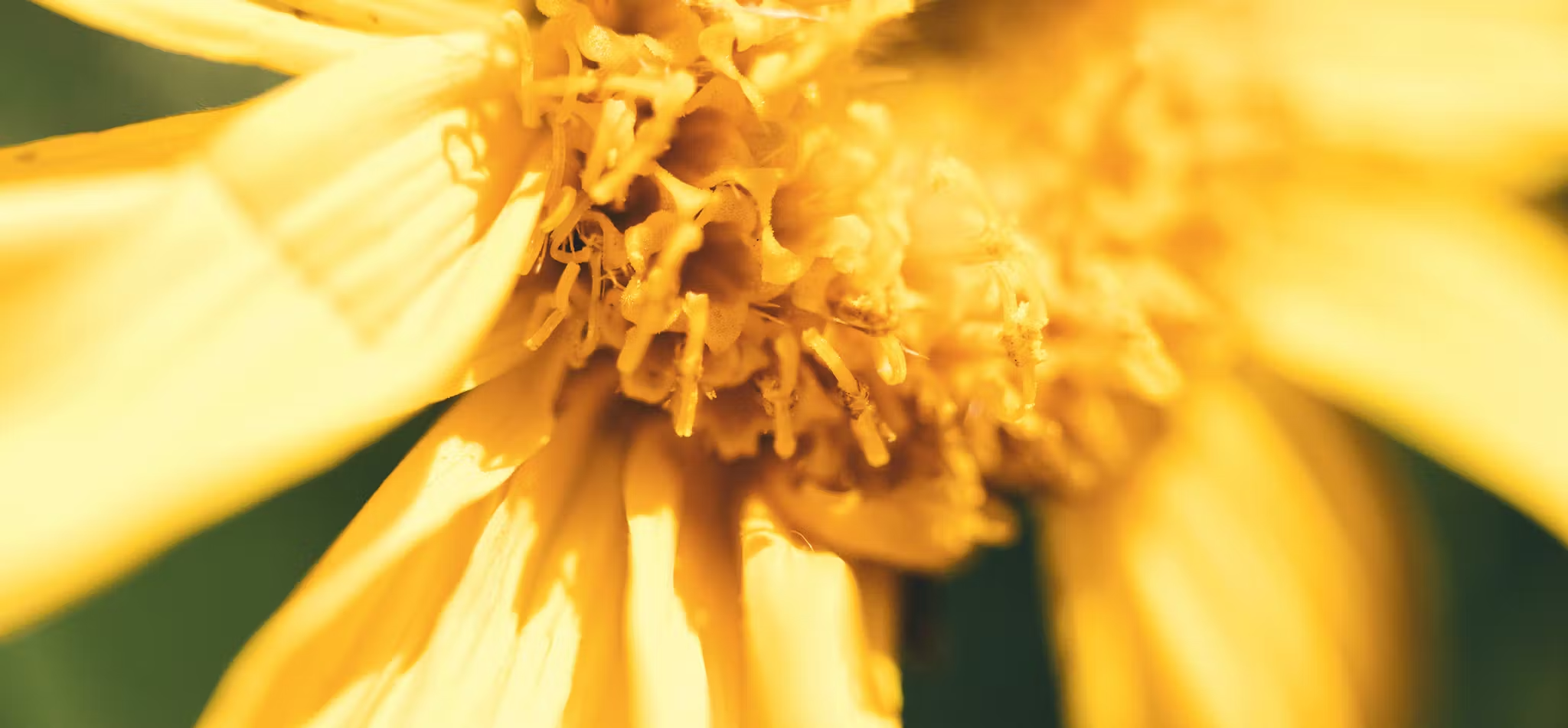
Harpagophyton – or Harpagophytum procumbens in Latin – is also known as “devil’s claw”. Why this nickname? Because its fruit clings to animals’ feet with its sharp hooks. And probably also because animals, to get rid of it, are obliged to flail about as if possessed by it. But let’s talk about its benefits.
Harpagophyton, a rare species from southern Africa
Harpagophytum procumbens is a perennial plant that grows only in southern Africa. It occurs naturally in South Africa, Namibia and Botswana. It can thrive in sand. This is why it abounds in low-rainfall desert regions such as the Kalahari Desert. But despite its ability to thrive in hostile places, Harpagophyton has become an endangered plant. The majority of roots harvested come from wild plants. This ultimately threatens the survival of the species.
Harpagophyton, the plant with sharp hooks
Harpagophyton can be recognized by its capsule-shaped fruits, with sharp hooks that cling to the paws of animals. This is how Harpagophyton spreads its seeds. And this is where its Greek name Harpagophyton comes from: “Harpagos” meaning hook or grapple and “phyton” meaning plant. Harpagophyton’s main roots sink up to 2 meters into the ground, and its secondary roots are capable of storing up to 90% of their weight in water. Its stems are creeping and its leaves are sinuous and slightly fleshy. The flowers are solitary and trumpet-shaped, with colors ranging from pink to dark mauve.
Harpagophytum procumbens, benefits and contraindications
To the question “Is Harpagophyton good for osteoarthritis?”, the answer is yes. Harpagophyton can indeed have an anti-inflammatory and analgesic effect, thanks to the active principles of its iridoids, notably harpagoside, whose content in its secondary roots can reach 1.65%. Harpagophytum procumbens also contains harpagide, harpagogenin, phytosterols, sugars and flavonoids. Harpagophytum procumbens was included in the French Pharmacopoeia for homeopathic preparations in 1989, and has a monograph in the European Pharmacopoeia.
Harpagophyton, a precious harvest
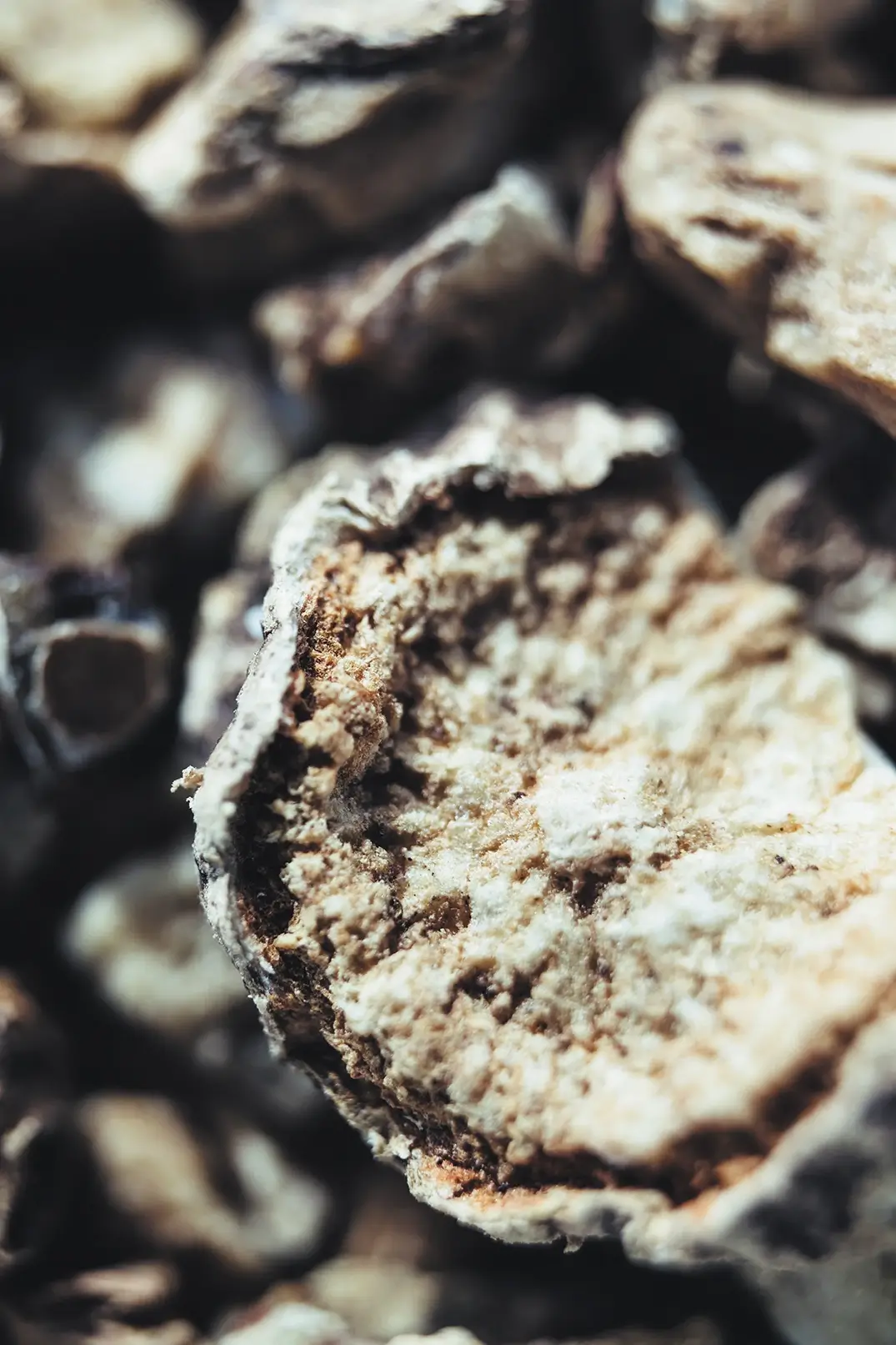
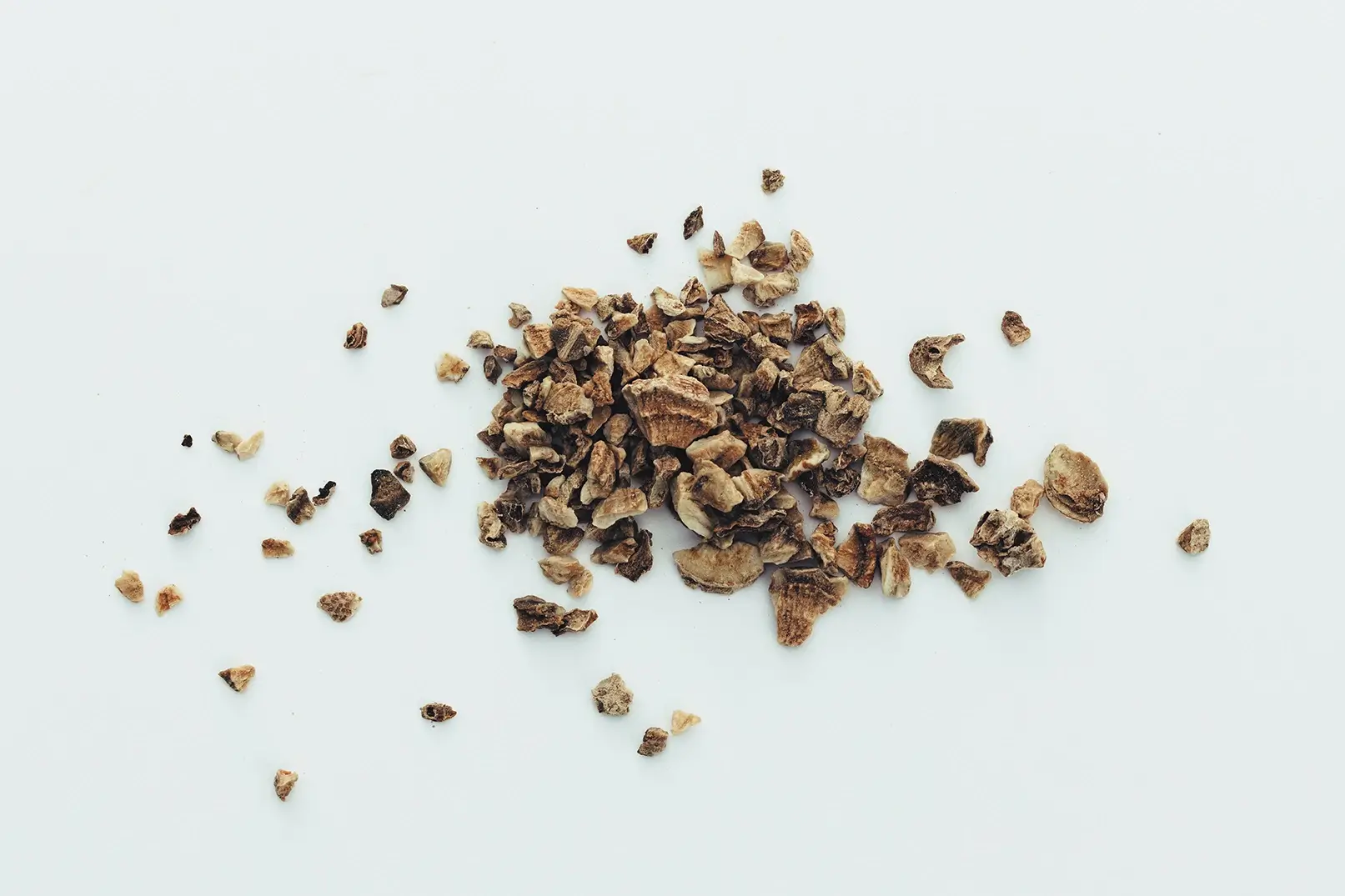
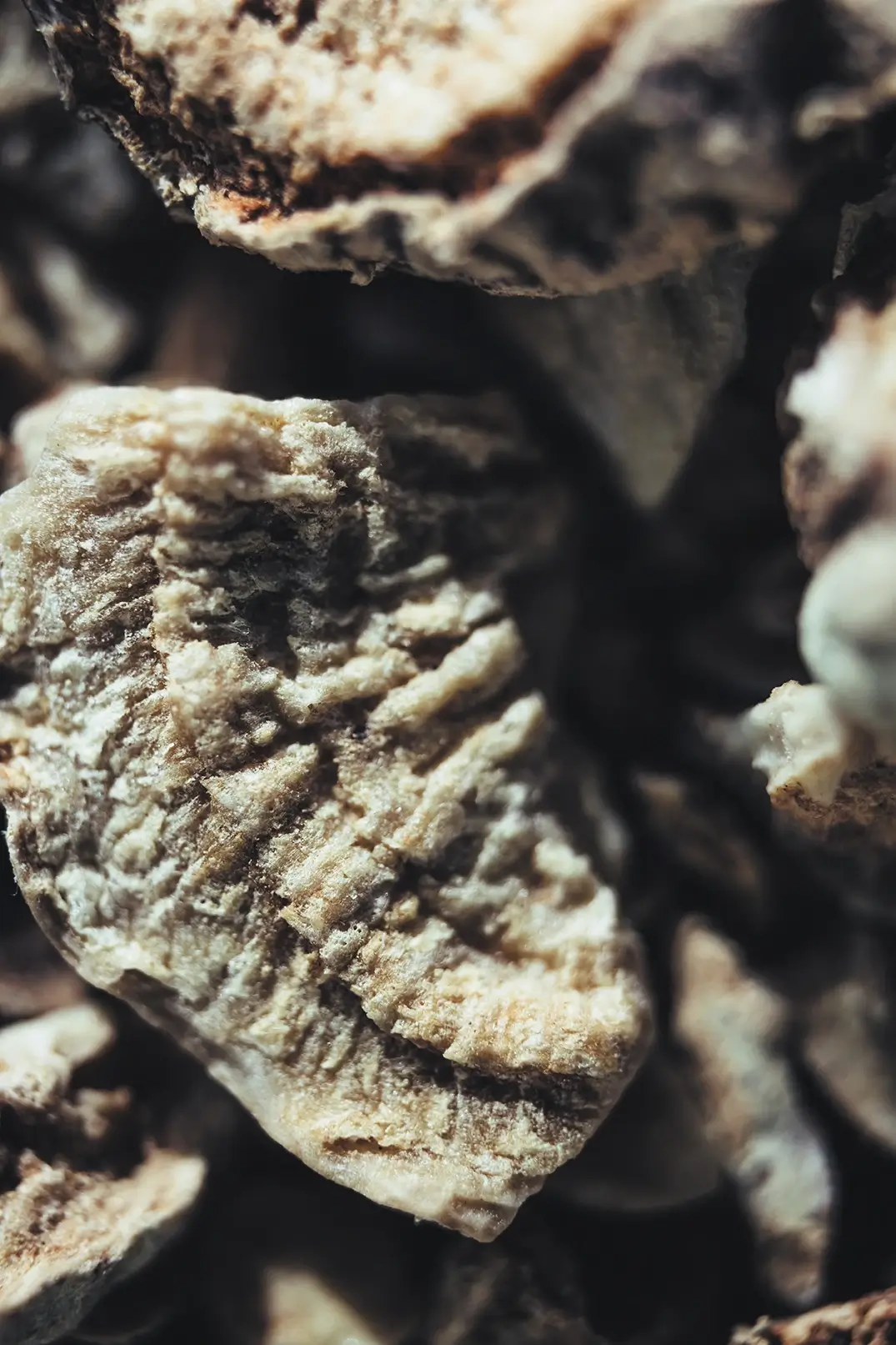
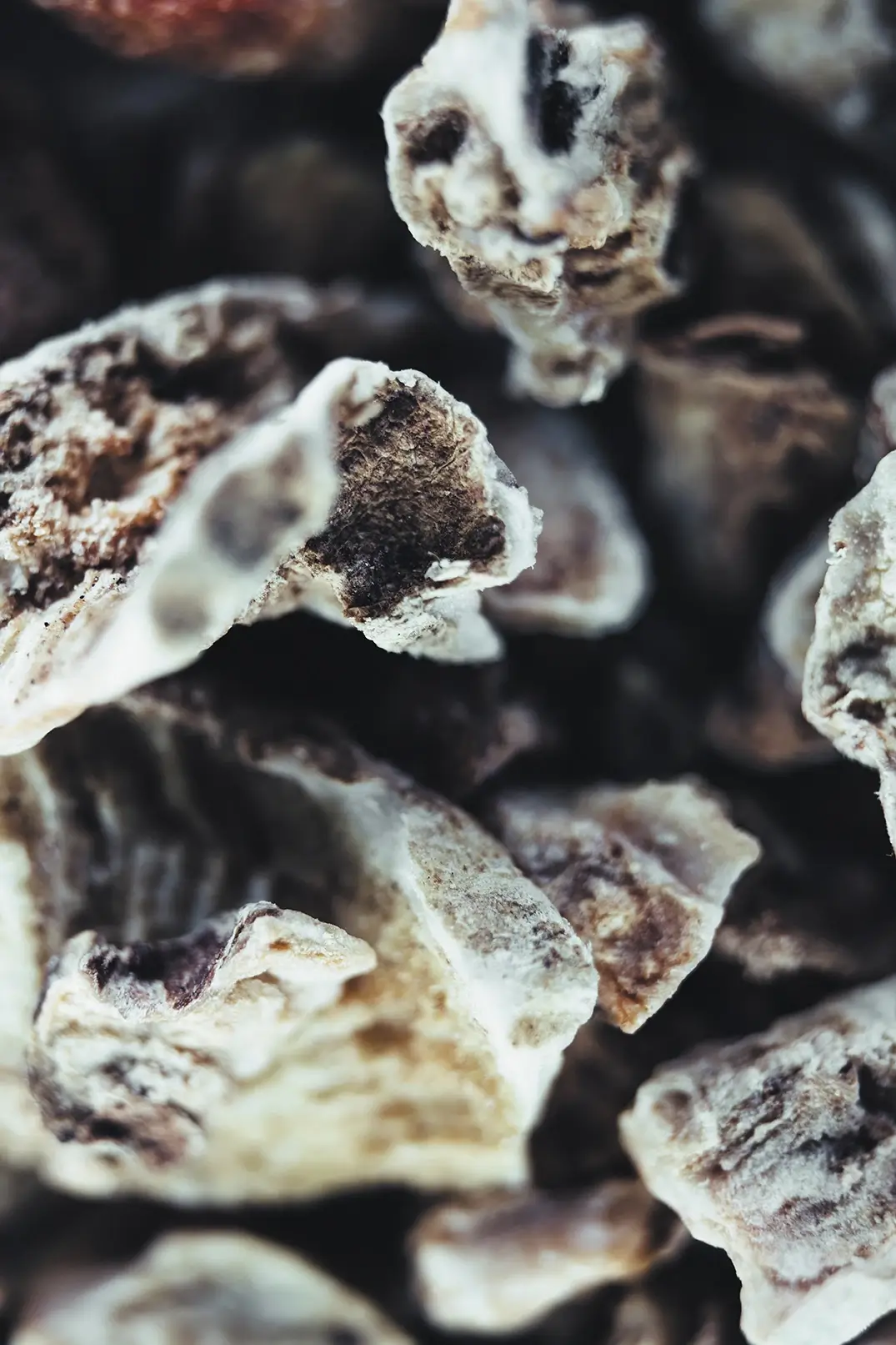
Only secondary Harpagophyton roots are harvested, as they contain twice as many iridoids as primary roots. Once harvested, they are sliced and dried. As the sale of Harpagophyton is an important source of income for them, the San people (formerly called Bushmen by settlers) treat it with respect. After removing the secondary roots, they put the main root back in the ground so that the plant can flourish again. Then they let it rest for 4 years before coming to take roots from it again.
The point of view of health agencies
The World Health Organization (WHO) recognizes the use of Harpagophytum procumbens for rheumatic pain as “clinically proven”. For its part, the European Medicines Agency recognizes the traditional use of Harpagophytum procumbens “to relieve minor joint pain”, recommending a maximum treatment duration of four weeks. (1)

Written in collaboration with:
Dr. Khalil Taoubi
Ph.D. in pharmacognosy. Expert in botany, toxicology, and pharmacopoeia.
(1) Vidal : https://www.vidal.fr/parapharmacie/phytotherapie-plantes/harpagophyton-harpagophytum-procumbens.html, May 2023