

Calendula
Calendula: a golden solution
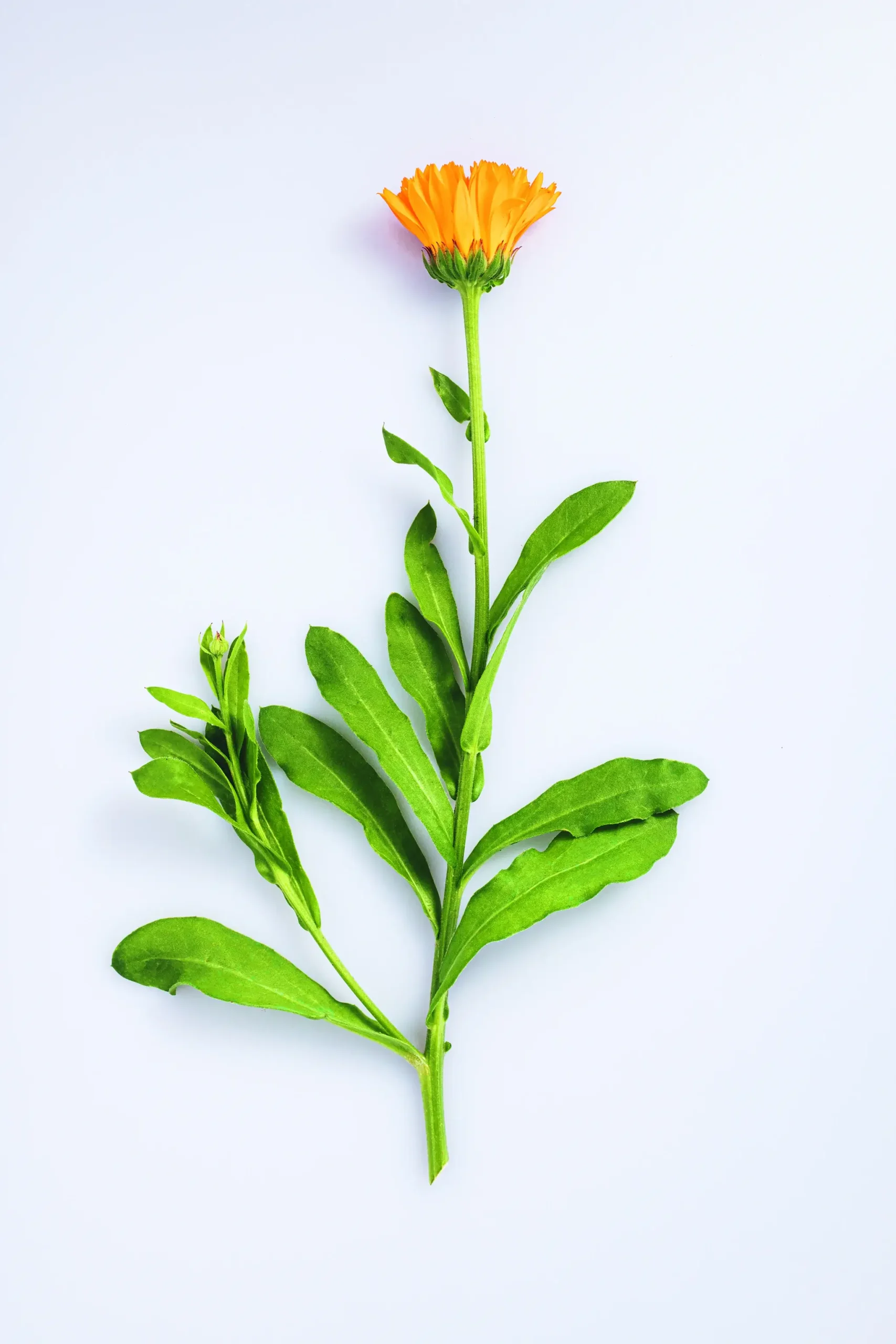
Also known as pot marigold, Calendula officinalis is a godsend for our health. Healing, antiseptic and anti-inflammatory, it has a number of properties, including amazing dermatological virtues. At Boiron, we do everything to preserve all of this plant’s benefits, from growing it to transforming it.
Let’s start with a little lesson in Latin
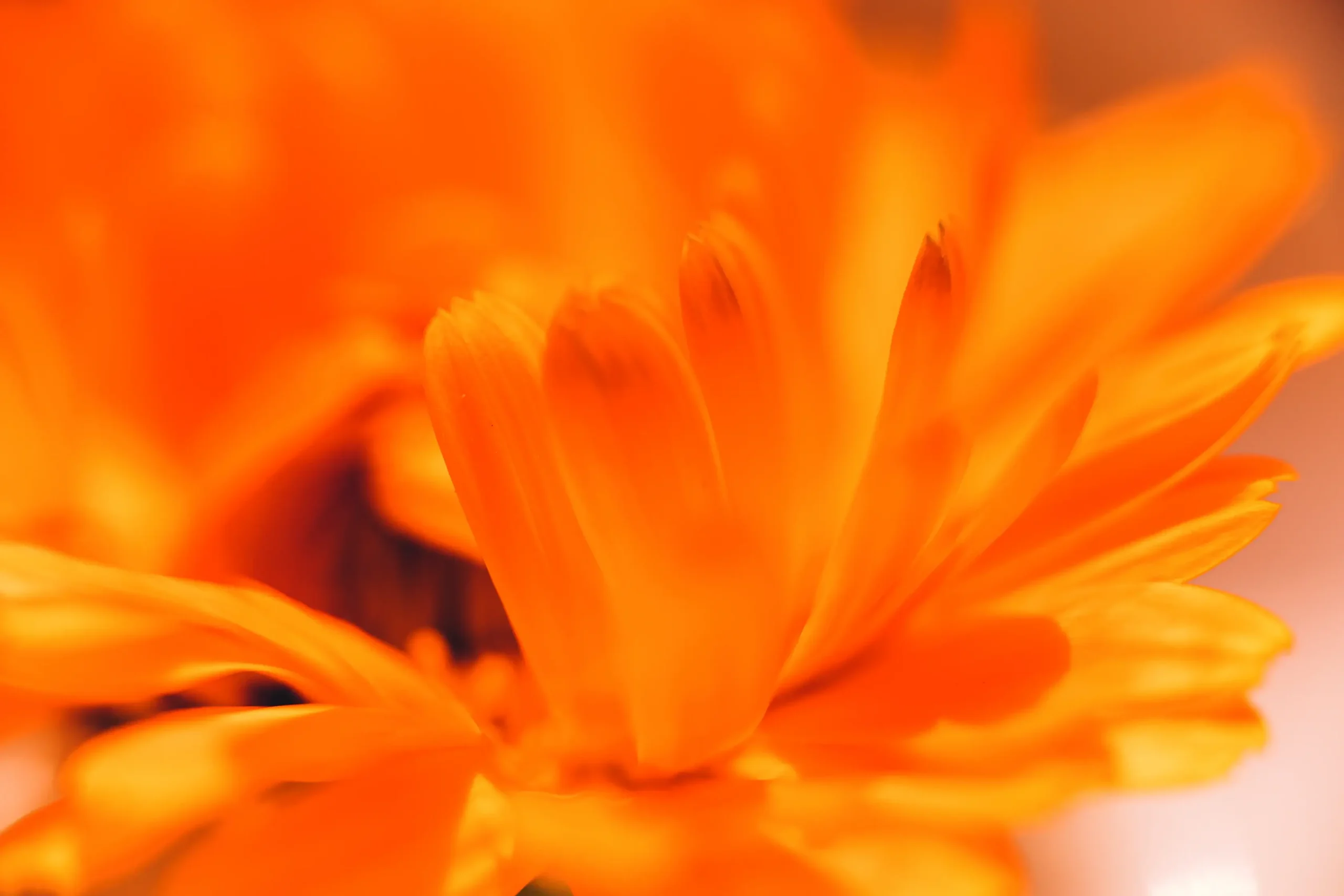
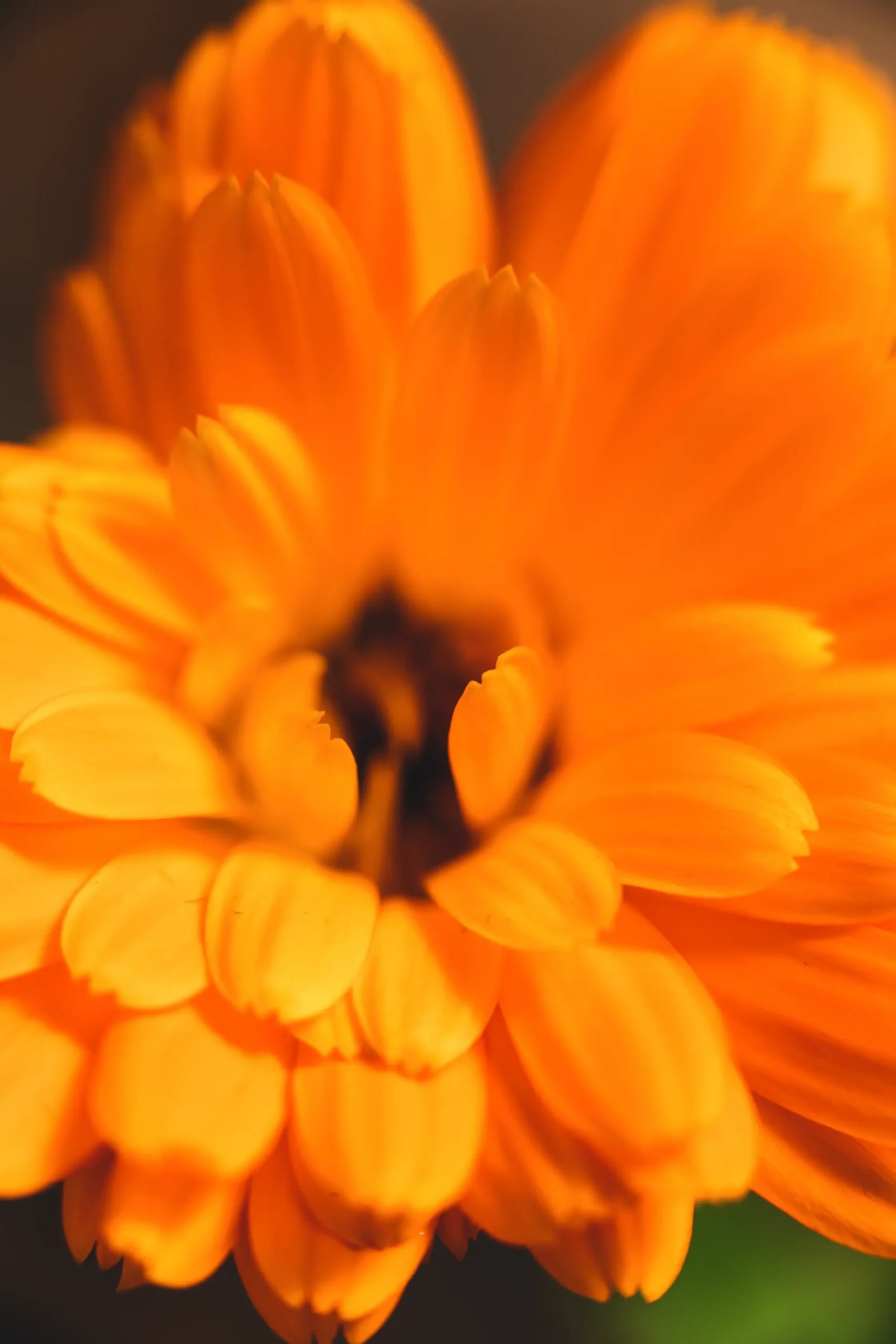
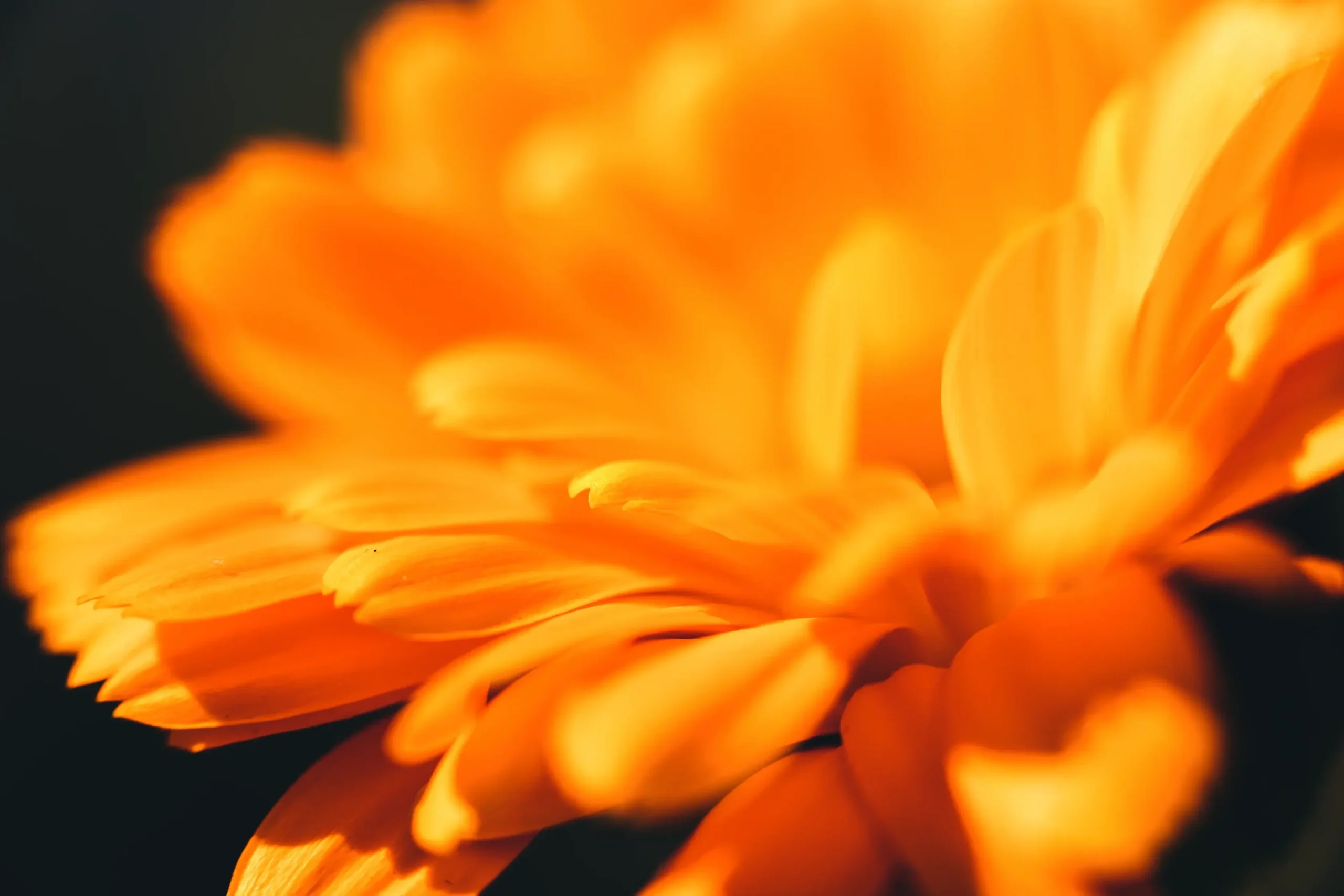
Calendula officinalis is commonly known as pot marigold, but its Latin name comes from the word “calendae”, meaning “first day of the month”. This is presumably because it blooms at the start of each day, and almost year-round. Its sunny yellow-orange flowers are also known to follow the sun throughout the day, before closing up at night and starting on its path again the next day.
Calendula: a fragile flower
Calendula officinalis is a crop plant. It is mainly grown on plains or highland areas and thrives in hot and sunny regions – in Europe, it is mainly found in the Mediterranean basin. Since its flowers follow the sun, Calendula officinalis has a particularly long flowering time, spanning from early summer to late autumn. However, the flowers have a short lifespan and the plants do not survive the winter.
Long-known benefits
Calendula officinalis has been used as a medicine since Antiquity. But that isn’t its only virtue, it is also used as in dyes, cosmetics, and can even be consumed. It was later on that Greek, Indian and Arab civilisations discovered the extent of its medicinal virtues. In 12th-century Europe, Saint Hildegard of Bingen listed Calendula in her medicinal writings. She wrote of its uses for impetigo of the scalp, cradle cap and intestinal disorders.
Recognised dermatological properties
Whether used as an ointment, cream, balm or oil, Calendula officinalis has a number of dermatological virtues. It has an antioxidant and moisturising action, and promotes cell regeneration in cases of inflammation, irritation or chapping. Calendula officinalis is also antiseptic and antibacterial. It has healing and soothing properties, particularly for intolerances or burns following sun exposure.
Boiron’s Calendula
At Boiron, more than 90% of the time we work with certified organic growers who follow strict specifications. Plants are also grown in a way that is designed to have a minimal impact on the environment, requiring little water and no fertilisers or pesticides. And to further reduce our environmental impact, we opt for local partnerships, meaning the Calendula officinalis that we use is predominantly from France: from Maine-et-Loire, Drôme, Ardèche and Corrèze.

From picking to transformation
The flowers are picked during their flowering period, from late June to October. Calendula flowers are harvested fresh, with a stem that is no longer than 15 cm. They are then transported in plastic boxes, making sure they don’t get squashed. Once they arrive at the laboratory, biological testing identifies and verifies the species. The Calendula flowers are then submitted for microbiological and physico-chemical analysis and checked to ensure they are free from pesticides and impurities. At the end of the manufacturing process, every batch of extract obtained is carefully tested in accordance with French Pharmacopoeia specifications.
What does the WHO say?
The World Health Organization (WHO) recognises that Calendula officinalis is used for the “external treatment of superficial cuts, minor inflammations of the skin and oral mucosa, wounds and ulcus cruris”.

Written in collaboration with:
Dr. Khalil Taoubi
Ph.D. in pharmacognosy. Expert in botany, toxicology, and pharmacopoeia.
WHO monograph, page 39 > https://apps.who.int/iris/bitstream/handle/10665/42052/9789241547024_eng.pdf?sequence=2&isAllowed=y%20page%2089